
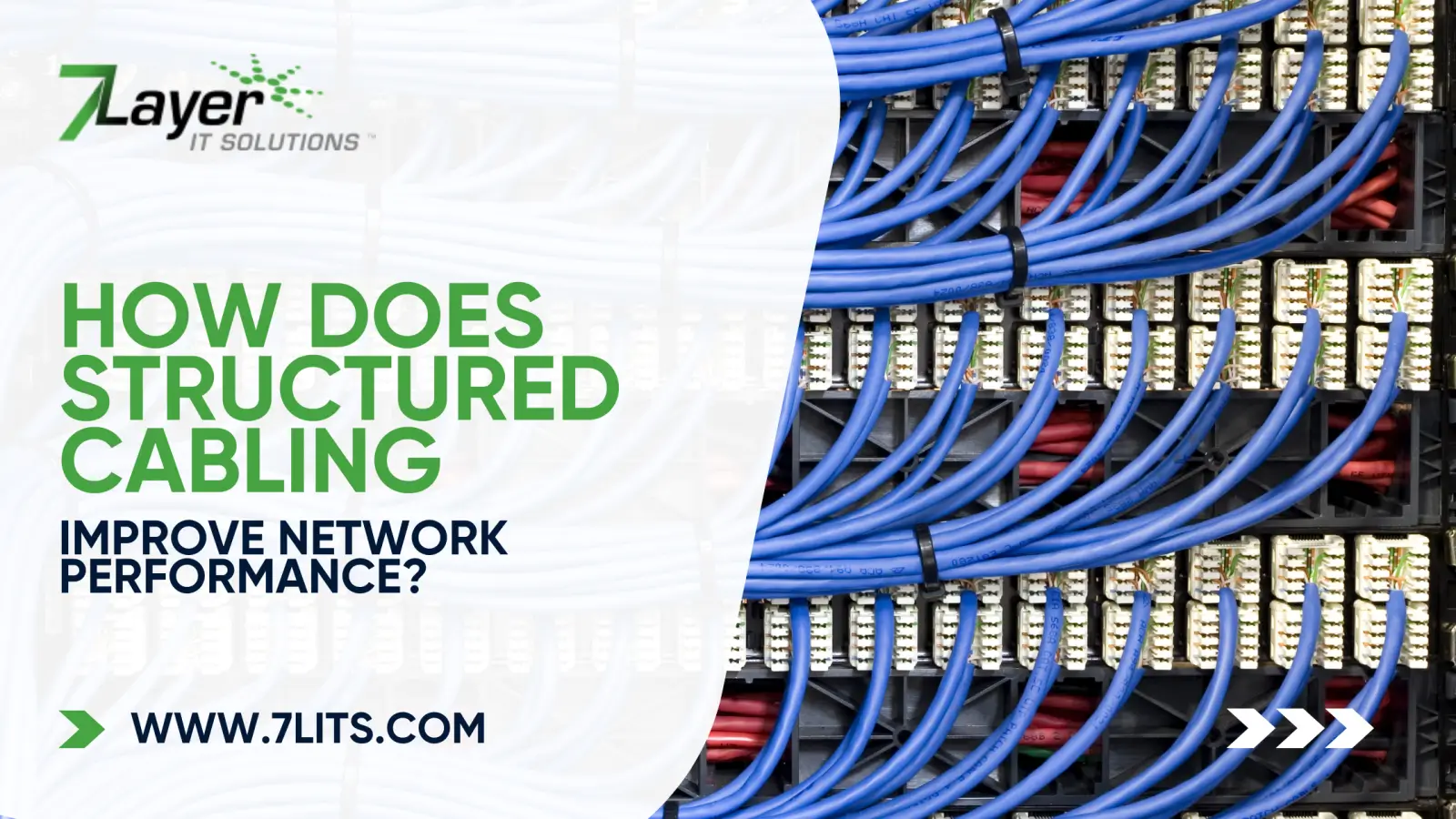
In a business landscape driven by speed, data, and always-on connectivity, the infrastructure behind your network is more important than ever. One often-overlooked element that significantly boosts performance and reliability is structured cabling.
This blog explores how structured cabling enhances modern IT solutions, increases productivity, and contributes to long-term cost savings. It also covers the evolution of structured cabling and electrical infrastructure, helping you make smarter decisions about your tech stack.
What Is Structured Cabling?
Structured cabling is a standardized system of cabling and hardware used to support and organize an enterprise's communication infrastructure. Instead of random wires connecting individual devices, a structured system uses organized pathways, patch panels, and subsystems that provide order and flexibility.
A typical electrical cable structure in this system includes:
- Backbone cabling (connecting floors and telecom rooms)
- Horizontal cabling (connecting workstations and devices)
- Patch panels and switches
- Cable management trays, racks, and enclosures
By using this structured approach, businesses can ensure consistent performance, simplified troubleshooting, and easier upgrades.
The Benefits of Structured Cabling
Improved Network Speed & Reliability
Structured cabling minimizes electrical interference and physical bottlenecks, allowing for faster and cleaner data transmission. This is crucial for VoIP systems, cloud-based apps, and real-time data processing.
Simplified Maintenance & Troubleshooting
When your cabling is neat and standardized, resolving issues becomes faster and less disruptive. Technicians can quickly trace cables and identify problems, reducing downtime.
Scalability for Growth
Whether you're onboarding new employees, opening a new department, or upgrading your equipment, structured cabling allows you to expand without overhauling the entire system.
Better Aesthetics & Safety
A tangled mess of wires isn't just unprofessional – it's also a fire hazard. A well-designed electrical cable structure improves airflow, reduces tripping hazards, and complies with safety codes.
Cost-Effective Over Time
Though initial installation costs may be higher, the efficiency, reduced downtime, and ease of scalability make structured cabling a wise investment.
Missed our previous blog? Read: Cost vs. Value — Why Managed IT Services Are a Smart Investment
Evolution of Structured Cabling and Electrical Infrastructure
As technology evolved, so did structured cabling. From the days of coaxial cables and analogue connections, we've moved to fibre optics, Cat6/6A/7 Ethernet, and PoE (Power over Ethernet).
This evolution of structured cabling and electrical design means today's systems can:
- Handle 10 G+ data speeds
- Power devices like IP cameras and phones via Ethernet
- Support IoT and smart building systems
- Integrate with cloud services and virtual environments
Structured cabling is no longer just about plugging things in - it's about building a foundation that's ready for tomorrow's tech.
Structured Cabling vs Traditional Wiring
Structured Cabling:
- Organized and modular design
- Supports high-speed, low-interference data transmission
- Easy to troubleshoot and maintain
- Scalable for future growth
- Clean, compliant, and safe installation
Traditional Wiring:
- Point-to-point, unstructured connections
- Prone to signal degradation and slower performance
- Difficult to diagnose and fix issues
- Not easily expandable
- Often messy, risky, and non-compliant with safety standards
Cloud Readiness & Hybrid Environments
Structured cabling also plays a vital role in hybrid environments. As businesses move applications to the cloud while maintaining local servers, a reliable physical network is essential for seamless data flow and access.
Cabling supports connections to:
- Cloud-hosted storage and SaaS platforms
- Local backup servers and NAS
- Security systems and smart devices
- VoIP, surveillance, and remote work tools
With IT solutions like managed services and cloud migration, structured cabling becomes the backbone of digital transformation.
7 Layer IT Solutions Approach to Structured Cabling
At 7 Layer IT Solutions, we understand that no two networks are the same. That's why we tailor structured cabling solutions to match your space, business size, and future goals.
Our Process Includes:
- Consultation & Site Survey
- Custom Layouts with Scalable Electrical Cable Structures
- Installation Using Industry-Grade Components
- Labeling, Testing & Documentation
- Ongoing Maintenance & Support
We design systems that support everything from a small office to multi-building campuses, ensuring your infrastructure is fast, reliable, and ready to evolve.
Final Thoughts
Structured cabling is more than wires - it's the nervous system of your business. It enables everything from email and cloud apps to security systems and real-time collaboration. And with the ongoing evolution of structured cabling and electrical tech, having the right foundation is no longer optional - it's essential.
If your network is slow, cluttered, or hard to manage, it might be time to invest in structured cabling designed for the future.